
Large dog breeds get a bit of a reputation for being intimidating or hard to manage, but in reality, many of them are known for their super gentle nature. If you’ve been thinking about bringing a big dog into your life and you want one that mixes size with a friendly, easygoing temperament, there are some fantastic breeds to check out. I’ll walk through some of my favorites and give info on what makes them so lovable even with their bigger frames.
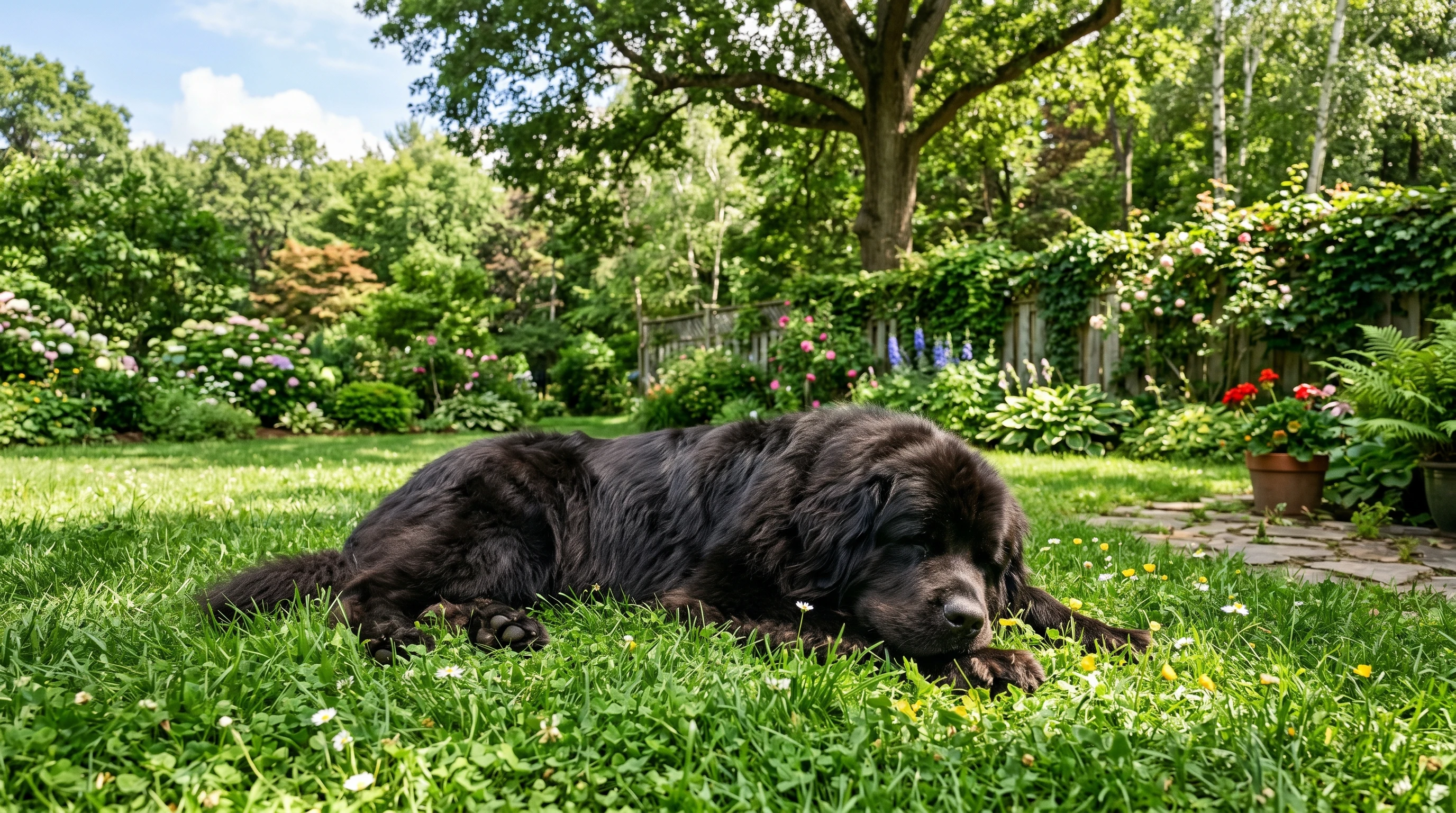
Why Many Large Breeds Are Gentle Giants
Big dogs have often been used for tough jobs like guarding or herding, but a lot of breeds were also bred to work closely with people and families. That’s where their gentle nature really shines. Despite their size, these dogs are commonly patient, calm, and enjoy time with both kids and adults.
Organizations such as the American Kennel Club (AKC) and The Kennel Club (UK) even highlight that temperament is just as important as appearance when it comes to breed standards. Over years of selective breeding, traits like patience, social friendliness, and a lower prey drive have been built into many large breeds, especially those who historically lived alongside communities and families.
This means that large size doesn’t automatically translate to bad manners or a tough attitude. In fact, many people find them easier to train and more trustworthy with kids and other pets than some smaller dogs.
Popular Large Dog Breeds Known for Their Gentle Temperaments
Several breeds stand out for their combination of big size and famously sweet personalities. Here are some worth considering if you want a large, friendly companion:
- Newfoundland: These dogs are sometimes called “nature’s babysitters” because of how patient and gentle they are with children. Known for their fluffy coats and strong swimming skills, Newfies adore social interaction and are rarely aggressive.
- Bernese Mountain Dog: With calm energy and a loyal streak, Berners are really good with families and gentle with kids. They don’t need tons of exercise, but they do love being around their people.
- Irish Wolfhound: One of the tallest breeds in the world, Irish Wolfhounds are surprisingly laid back and polite. They’re friendly with strangers and usually happy to quietly lounge with their family.
- Great Dane: Sometimes called “gentle giants,” Great Danes often think they’re lap dogs. Despite their imposing stature, they’re affectionate, patient, and love cuddling on the couch.
- Leonberger: Originally bred as companion dogs, Leonbergers get along well with families and are super gentle when meeting new people or animals. Their calm vibe makes them great for therapy dog work, too.
- Labrador Retriever: Not quite as giant as some others on this list but still a large breed, Labs combine a sturdy build with a famously trustworthy and affectionate personality. They’re good with everyone from little kids to the elderly.
- Saint Bernard: Known best as rescue dogs in the Swiss Alps, Saint Bernards are affectionate, patient, and love helping out and being part of a family dynamic.
- Golden Retriever: Like Labs, Goldens are large and brimming with warmth. Their intelligence and calmness make them suited to life with children, other pets, and even as service animals.
What Makes These Breeds So Gentle?
Many big breeds have been socialized with humans for hundreds of years and developed temperaments focused on patience, confidence, and tolerance. Several factors play into why these dogs often act so easygoing:
- Breeding for Companionship: Many large dogs were bred to work beside people, herding livestock, guarding homes, or providing companionship. This history gave them a mellow, dependable streak.
- Lower Anxiety: Larger breeds tend to be less reactive or nervous. Instead of barking at every little sound, they approach things more calmly.
- Steady Energy: While pups of any breed can be wild, adult large breeds often settle into relaxed, predictable routines, which makes them less likely to lash out or get overwhelmed in busy households.
- Positive Socialization: When socialized from a young age, big breeds usually respond well to gentle handling, treat-motivated training, and regular exposure to different environments and people.
Tips for Living with a Gentle Giant
There’s something special about sharing your home with a big dog who’s peaceful and loving. With that said, bigger dogs do have some specific needs to keep them healthy and happy:
- Space to Move: Large breeds need enough room to stretch out and walk around comfortably, even if they aren’t hyperactive. A backyard or regular trips to a park help keep them fit.
- Quality Food: Bigger bodies need diets tailored for large breeds. This can prevent joint issues and support their overall health. Look for food with joint supplements or ask your vet for recommendations.
- Joint Care: Gentle giants put extra pressure on their bones and joints. Supplements, nonskid flooring, and comfy bedding all support mobility as they age.
- Training & Socialization: Even the calmest breed benefits from consistent training and lots of positive experiences, especially with new people, kids, and other dogs.
- Routine Exercise: Long walks, swimming sessions, or playtime keep their minds sharp and weight in check. Most gentle giants don’t require intense workouts, just steady daily activity.
What to Know Before Bringing a Large Gentle Dog Home
Big dogs might be sweet, but there are a few practical things you’ll want to keep in mind to make life smooth for both you and your new buddy:
- Life Span: Larger dogs usually have shorter lifespans than smaller breeds. You can expect many big breeds to live around 8 to 10 years, though some will live longer with good care.
- Shedding and Grooming: Many gentle giants, like the Bernese or Newfoundland, have thick coats that need regular brushing. Invest in a good quality brush and get comfortable with some shedding.
- Health Care Costs: Because they’re bigger, everything from flea treatments to surgeries can be a bit pricier compared to smaller dogs. Regular vet care is important for keeping them comfortable as they age.
- Housing Arrangements: Some apartments or rentals have size restrictions. It’s worth doublechecking with landlords or associations before committing to a large breed.
Shedding and Grooming
Gentle giants with thick or long coats, such as the Newfoundland or Leonberger, can shed a lot. Weekly brushing helps remove loose fur and keeps tangles at bay. During certain times of year, like the spring and fall shedding seasons, you might need to brush daily to keep things under control. Keeping nails trimmed and ears clean is also important, since their big paws and floppy ears can mean more dirt and bacteria.
Space and Exercise Needs
Not every gentle giant has endless energy, but all of them appreciate some backyard time or fun at the park. Apartments can work if you’re committed to extra walks and exercise. Regular outings can help reduce boredom, which sometimes leads to destructive habits even in the most patient breeds.
Advanced Tips for Thriving with Large, Gentle Breeds
If you already have some experience with dogs and want to make the most of life with a gentle giant, these tips might come in handy:
Positive Reinforcement: Big breeds like Saint Bernards and Irish Wolfhounds respond incredibly well to treats and praise. Yelling or harsh discipline doesn’t work as well as gentle encouragement.
Gentle Socialization: Regularly schedule relaxed meetups with friends, family, and their pets. Calm playtimes with wellbehaved dogs help keep your big buddy friendly and comfortable in all settings.
Mental Stimulation: Puzzle feeders, trick training, and new walking routes keep your dog’s mind busy. Many gentle giants are underestimated when it comes to smarts, they like a challenge!
Involving Them in Daily Life: Large, mellow breeds often want nothing more than to be included, whether that’s in family movie night, hiking, or just hanging around the yard.
Frequently Asked Questions
I get lots of questions about life with a big, gentle pup. Here are a few that come up the most:
Question: Are gentle giant breeds safe for homes with young kids?
Answer: Yep! Most gentle giants are known for their patience with children. Of course, I always recommend supervising play between big dogs and small kids, simply because of their size.
Question: Do large, gentle breeds get along with other pets?
Answer: Most do great with other animals, especially when introduced gradually and properly socialized as puppies. Some, like Newfoundlands and Leonbergers, even excel as therapy or service dogs alongside other pets.
Question: How much exercise does a gentle giant really need?
Answer: A daily walk and a bit of playtime are usually enough. Too much running on hard surfaces can stress their joints, so balance active time with plenty of rest.
Question: What’s the biggest difference in living with a large breed vs. a smaller breed?
Answer: Expect to buy bigger beds, stronger leashes, and more food than you would for a smaller dog. You’ll also want to factor in grooming and potential housing restrictions due to their size.
Wrapping Up: A Home for a Gentle Giant
Big, gentle dogs have a special way of fitting into family life with their calm and affectionate nature. Whether you’re drawn to a Newfie, a Dane, or a Berner, choosing a large, kindhearted breed means you’re likely to get a sweet companion who thrives on time with loved ones. Just remember their needs for space, some extra care, and a bit of patience, and they’ll be part of the family in no time.
There’s just something special about having a gentle giant around, they make every day feel a little more complete.
If you have any comments about your large breed dog, feel free to share in the comments.